
Find the Waste Before You Blame the Equipment
A high bill doesn't always mean the equipment is dying. Often the machine is fine and the waste is happening somewhere else entirely, a leaky duct joint, a boxed-in condenser, a filter nobody's checked in months. Before spending on a replacement, walk through where a cooling system typically bleeds efficiency, and what fixing each spot is actually worth.
The Filter
A clogged filter chokes airflow across the coil, forcing the system to run longer for the same result, and in bad cases the coil ices over and stops moving air completely. This is the cheapest fix on the list and the most skipped, since a filter never announces it needs changing the way a strange noise does. Dust and pollen loads shift a lot by neighborhood across Los Angeles. Homes near busy streets or with pets need changes more often than a quiet block, and every extra week on a clogged filter is a week of unnecessary strain.
The Condenser
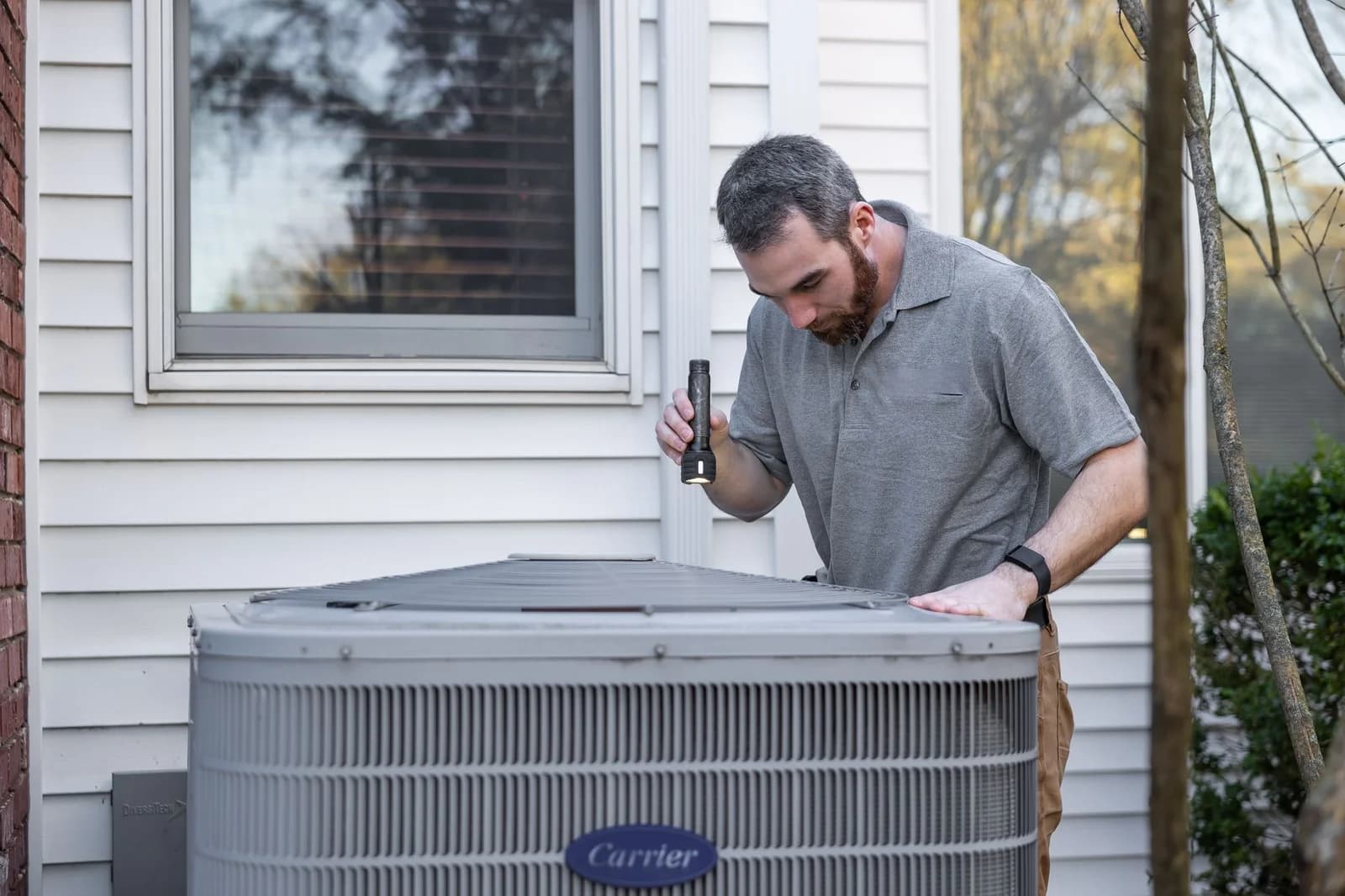
The outdoor unit needs open air on every side to dump the heat it pulls from your home. We regularly find condensers in Silver Lake and Echo Park yards boxed in by overgrown shrubs, stacked storage, or shoved against a fence, all forcing the compressor to work harder than it should just to shed heat. This is pure waste with zero comfort benefit attached. Clearing space costs nothing and stops the compressor from fighting its own surroundings every time it runs.
The Ductwork
Leaky duct joints are one of the biggest hidden sources of wasted cooling, since conditioned air escapes into attics and wall cavities before it ever reaches a room. The system runs longer to make up for air already lost, so you're effectively paying to cool the same square footage twice. This shows up often in older West Adams and Koreatown homes, where the original ducts were never pressure tested or sealed at the joints.
A pressurized test tells us the real leakage rate before we recommend anything, since sealing ducts that are already tight doesn't save much. Where the leakage is real, sealing tends to be the single biggest efficiency fix available short of replacing the whole system.
Solar Heat Gain
Windows catching direct afternoon sun add real load, especially west-facing rooms taking the strongest hit before sunset. Hillside homes in Hollywood and Los Feliz often have one or two rooms running noticeably hotter than the rest of the house for exactly this reason. Closing blinds during peak sun hours cuts that load without touching the equipment at all, making it one of the only genuinely free items here.
Coils and Refrigerant
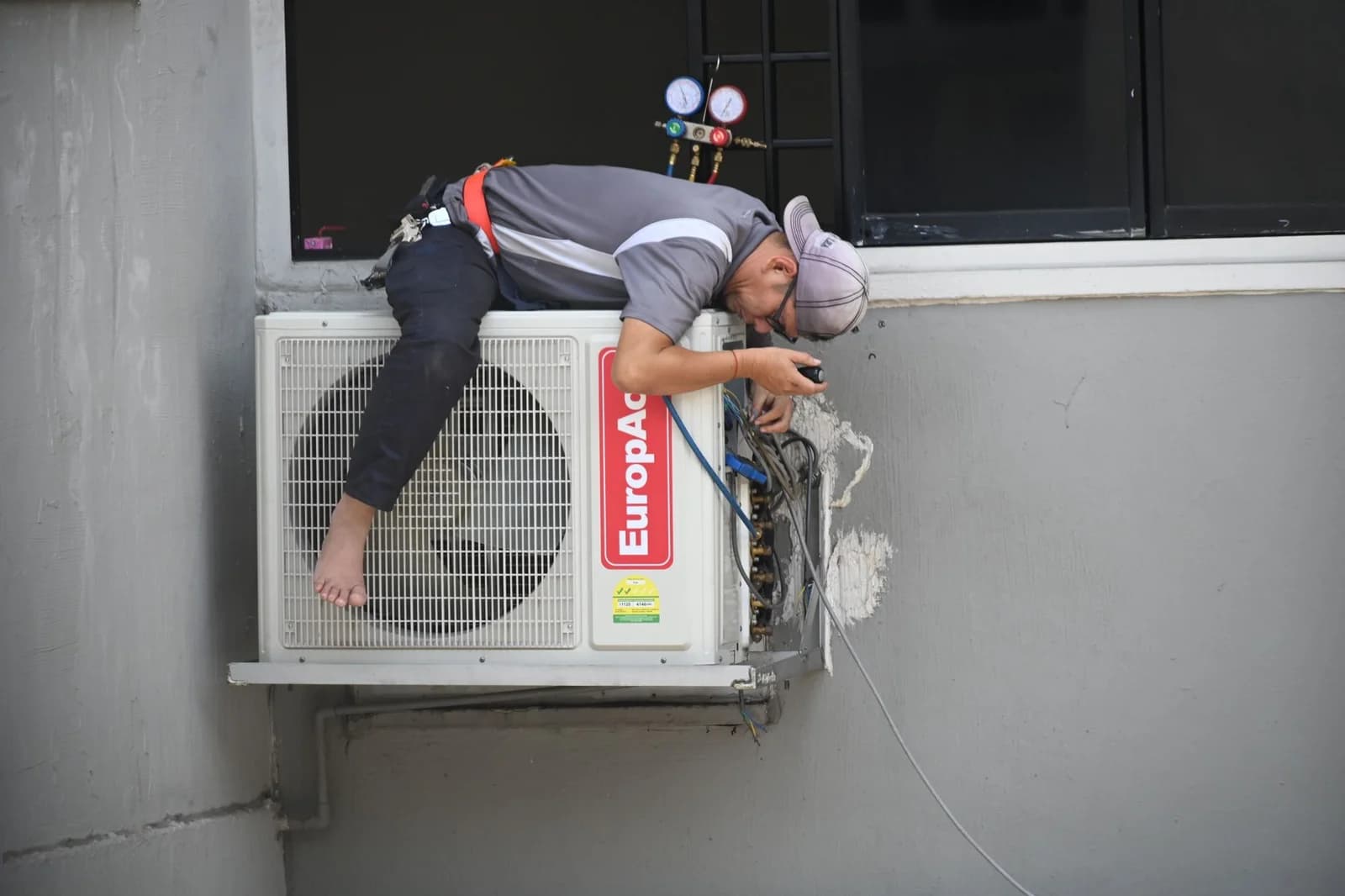
Dirty coils cut heat transfer. Low refrigerant cuts cooling capacity per cycle. Both mean longer runtimes for the same comfort, and both creep up slowly enough that nobody connects the bill increase to either cause. A single visit for coil cleaning and a refrigerant check handles both, and it tends to pay for itself faster than nearly anything else on this list if it's been a while.
The Thermostat Schedule
A programmable or smart thermostat only saves money if you actually use its scheduling instead of adjusting by hand throughout the day. Los Angeles mornings run mild thanks to the marine layer, so the system can ease into the afternoon heat ahead of time instead of scrambling to catch up once the house has already warmed. Letting the temperature drift a few degrees while you're out or asleep, then bringing it back before you need comfort, uses less total energy than one flat setting all day, and it costs nothing beyond a few minutes of setup.
Two Habits That Feel Helpful but Aren't
Setting the thermostat lower than your actual target doesn't cool the room faster, it just runs the system longer past the point it already reached your real target, burning power for no extra benefit. Closing vents in empty rooms can backfire too. On systems not built for zoning it raises duct pressure and can hurt overall efficiency, so we don't recommend it unless zoning was part of the original design.
The Envelope Around the Ductwork
Ducts and coils get most of the attention, but the building envelope around them plays a quiet role in the same waste. Gaps around attic access hatches, unsealed can lights, and old weatherstripping at exterior doors all let conditioned air drift out and warm outdoor air drift in, the same way a leaky duct joint does, just outside the ductwork instead of inside it. None of these are HVAC repairs in the strict sense, but they change how hard the HVAC system has to work to hold a room at temperature.
An attic hatch that isn't gasketed is a common offender in older homes throughout these neighborhoods, since it sits directly above conditioned living space and often gets overlooked because it isn't part of a typical AC inspection. Sealing it is cheap, usually a weatherstrip kit and an afternoon, and it stops a steady trickle of loss that no amount of duct sealing or coil cleaning can fully offset on its own.
It All Adds Up
Alone, a dirty filter, a boxed-in condenser, and a couple of leaky duct joints look like small problems. Stacked across a full Los Angeles cooling season, they add up to a system running longer, drawing more power, and costing more every month for the exact same comfort a well-kept one delivers. None of this requires new equipment. Most of it is free or a single visit that earns its cost back within the season.
Frequently Asked Questions
Which fix moves the needle most?
In homes with ductwork, sealing leaks usually makes the biggest dent, since it stops cooled air from disappearing before it reaches a room. In homes without ducts, or with ducts already sound, condenser clearance and filter changes matter more, they're the everyday items that slide furthest without a scheduled visit.
Should I seal my ducts even if the leakage seems minor?
Only if a pressurized test says it's worth it. We test first rather than assuming every older home needs sealing regardless of its actual condition.
Would a bigger system waste less energy?
Not necessarily, oversizing is a common and expensive mistake. A system too big for the space cools fast but shuts off before pulling humidity out properly, leaving a clammy feeling despite a low thermostat number, and it still cycles more than a correctly sized unit would. A real load calculation beats guessing off square footage alone.
Does insulation matter as much as the AC itself?
In a lot of older West Adams and Koreatown homes, more than people expect. A correctly sized, well-tuned system fighting an attic with thin insulation is still losing ground on the hottest afternoons, since heat keeps pushing down into the living space faster than the system can pull it back out.
When Waste Isn't the Real Problem
Filter, condenser clearance, ducts, coils, all addressed and the bill still climbs, or the system's old enough that parts are getting scarce, that's a different conversation, and one worth having with real numbers instead of a pitch.
Call (877) 549-6517 for a service visit. We work these neighborhoods daily, Hollywood, Silver Lake, Los Feliz, Echo Park, Koreatown, West Adams, and we'll tell you plainly which fixes are actually worth doing on your system.
Need Professional HVAC Service?
Our HVAC-experienced technicians are ready to help with all your AC and heating needs. Contact Los Angeles AC Pros today for expert service throughout the the Westside service area.