Two Systems, Two Very Different Cost Structures
Los Angeles housing varies more than almost any other major city. That's exactly why ductless versus central doesn't have one right answer. Both cool a home well. What actually separates them is what each costs to install and run in the specific house you own. Here's the math we walk homeowners through.
The Real Cost of Central AC
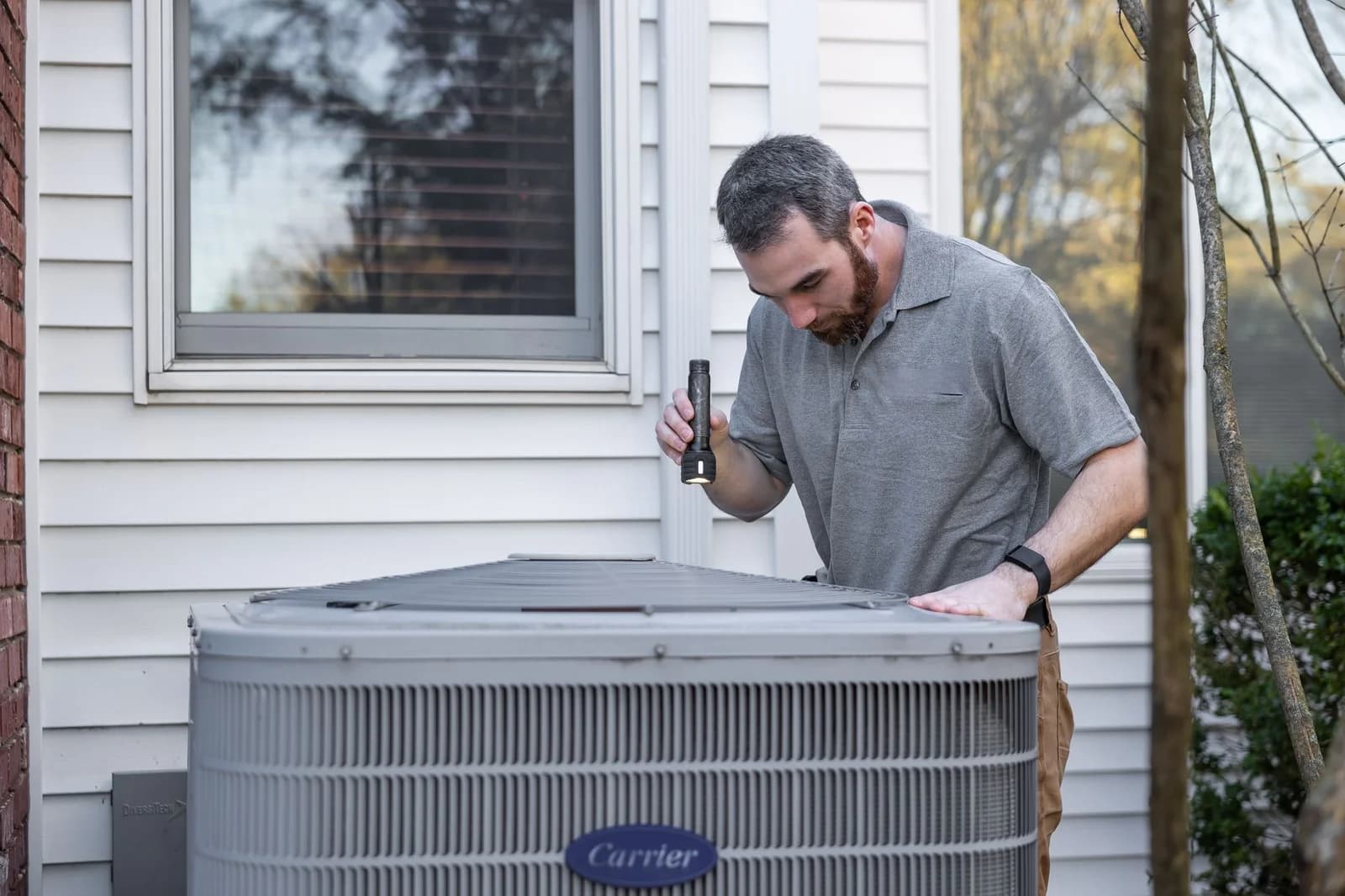
Central air uses one outdoor condenser tied to an indoor air handler, pushing cooled air through ducts to registers around the house. When a home already has sound ductwork, extending or swapping the central system is usually the cheaper, simpler path, because the expensive part, the ducts, already exists.
That math flips fast in a home with no ducts at all, true for a large share of pre-war bungalows across Silver Lake, Echo Park, and Los Feliz. Adding ductwork from scratch means opening ceilings or walls, running the ducts, then closing everything back up. That labor and finish work runs higher than most homeowners expect going in, and it's the main reason a mini split wins the cost comparison in a home never built with ducts.
The Real Cost of a Ductless Mini Split
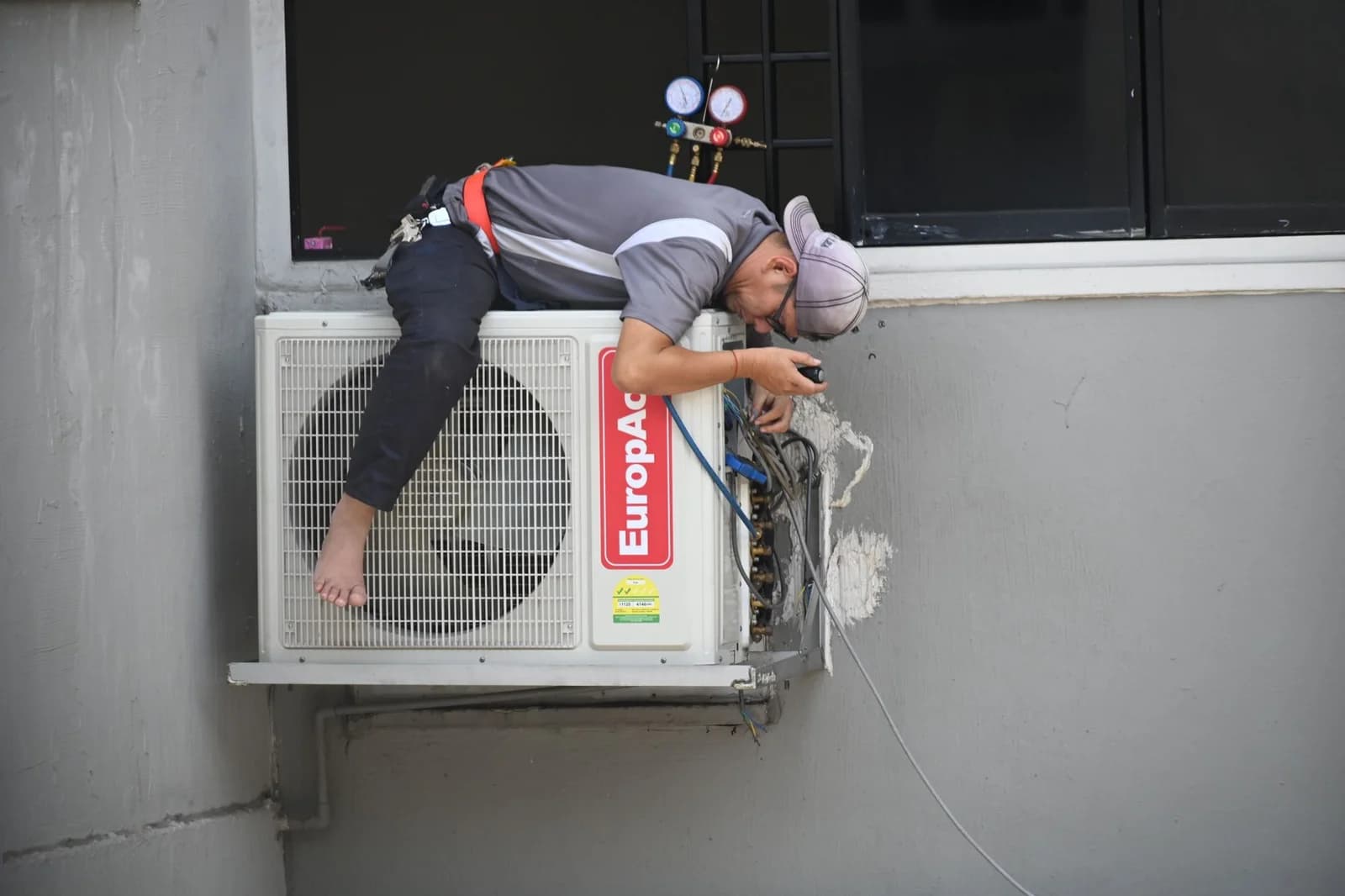
A mini split pairs one outdoor compressor with one or more wall-mounted indoor units, each cooling only its own room. The link between them runs through a small wall opening instead of a full duct network, skipping the demolition and finish work new ductwork requires.
Per ton of capacity, a mini split usually costs more than central air in a home that already has usable ducts. That comparison reverses in a home with no ducts, since the mini split sidesteps building a duct system from nothing. Several indoor heads for whole-home coverage add up in price, but that total still competes against the cost of new ductwork in a house that never had any, not against central air already sitting in a duct-ready home.
Ductwork Decides the Answer Before Anything Else Does
For most Los Angeles quotes, the ductwork question settles this before efficiency or comfort even come up. Sound, correctly sized ducts point toward central air. No ducts, or ducts bad enough that full replacement is already on the table, point toward a mini split, because now you're weighing new ductwork against a ductless system, not weighing ductless against central air that's already installed and working.
Every installation quote starts with a duct assessment, checking for leaks, sizing, and insulation, before we recommend either path. Often the honest answer is that the existing ducts are worth sealing and keeping rather than tearing out, which keeps either option on the cheaper side.
Zoning: The Ongoing Cost Difference
Past installation, there's a real running-cost gap tied to how each system operates. Central air cools the whole house to one setting. A multi-zone mini split cools only the rooms in use and lets each zone run at what it actually needs, instead of chilling an empty bedroom to match a hot home office. Homes with rooms facing very different sun exposure, a shaded north bedroom next to a sun-drenched office addition, save real money with that kind of zoning a single thermostat can't match.
Historic Districts Add a Cost Central Air Doesn't Always Avoid
Parts of West Adams sit inside designated historic districts, where changes visible from the street, including equipment placement, face tighter review than a typical lot. A central system needing a larger roof or ground penetration can run into approval delays and costs a mini split usually skips, thanks to its smaller footprint and low-profile indoor units. That friction is a real cost before equipment even goes in.
Mixing the Two Saves Money in the Right Situation
Plenty of homes across Echo Park and Silver Lake already have central air covering the original house with no practical way to stretch ductwork into a later garage conversion or addition. Adding one mini split head just for that new space, while keeping central air everywhere else, usually beats extending a duct system into a room the original layout never planned for. Worth asking about before assuming the whole house has to switch to one system.
Sizing Still Has to Be Right, Whichever You Choose
Whatever the ductwork answer points to, sizing still decides whether the cost comparison holds up. An oversized system, either type, cools fast but shuts off before properly pulling humidity out of the air, so you're paying for capacity that isn't doing its job well. An undersized one runs almost constantly trying to keep up, wearing parts down faster and pushing bills higher no matter which technology it is. A load calculation based on square footage, insulation, sun exposure, and window coverage comes before any quote, so the number reflects a correctly sized system, not a rough guess.
Frequently Asked Questions
Which wins on total cost, not just install price?
Depends on the house. Sealed, well-sized ducts usually make central air the winner long-term, since the biggest cost is already sunk. No ducts usually makes a mini split the winner, since building new ductwork is the expensive alternative it skips entirely.
Does a mini split handle heat too, or do I still need a furnace?
Most current mini splits are heat pumps, covering both heating and cooling with one piece of equipment. Given how mild Los Angeles winters run compared to summer cooling demand, that often means no separate furnace needed at all.
What mistake do homeowners make most often comparing the two?
Comparing sticker prices alone, without pricing in what building ductwork from nothing actually costs. A mini split can look pricier per unit on paper, but factor in opening ceilings, running new ducts, and closing it all back up in a home that never had any, and central air often ends up the more expensive choice in exactly the bungalow neighborhoods where that gap shows up most, Silver Lake, Echo Park, Los Feliz.
Can I add a mini split without ripping out my existing central system?
Yes, a common and cost-effective move for additions specifically, covering just the new square footage instead of stretching or duplicating ductwork into space it was never built for.
Upkeep Costs Follow You Long After Installation
The installation price is only the first number. Central air needs filter changes, coil cleaning, and occasional duct sealing to keep running efficiently, upkeep that's familiar to most homeowners because it's the same routine a home with existing ductwork has always required. A mini split trades that for a different upkeep pattern: each indoor head has its own filter to clean, and a multi-head system means multiple filters instead of one central return, which adds a small amount of routine work per visit even though the parts themselves are simple to access.
Neither pattern is expensive on its own, but it's worth factoring into the decision alongside installation cost, especially for a multi-zone mini split with several indoor units spread across the house. A homeowner who skips routine filter cleaning on four separate heads loses efficiency across all four rooms at once, in a way that's easy to underestimate compared to a single central filter that's harder to forget because there's only one of it.
Get Numbers Specific to Your House
There's no one right answer here, only a real look at your specific home: attic access, existing duct condition if any exists, and the layout you're actually trying to cool. We install both central AC and ductless mini splits across Los Angeles, from Hollywood and Silver Lake through West Adams.
Call (877) 549-6517 for a free estimate and a written number based on your home, not a template.
Need Professional HVAC Service?
Our HVAC-experienced technicians are ready to help with all your AC and heating needs. Contact Los Angeles AC Pros today for expert service throughout the the Westside service area.